
General FAQs
What species of animals does Northern Bio work with?
Northern Bio works with many species that are considered most appropriate for the model or therapeutic being developed. We work with rodents (rats and mice), rabbits, dogs, pigs, sheep, and nonhuman primates.
What does Northern Bio do to ensure that high standards are upheld for the care of the animals they work with?
Northern Bio is committed to the highest standards of animal care. As a CRO, we recognize the ethical responsibility to ensure the animals involved in our scientific studies receive the highest level of care. Our highly trained and dedicated veterinary and operational teams work diligently, not only providing the best forms of enrichment to the animals that we work with, but also ensuring ethical study design. Our protocols are designed to prioritize animal well-being and implementation of the 3Rs principle – Replacement, Reduction, and Refinement.
Neuroscience FAQs
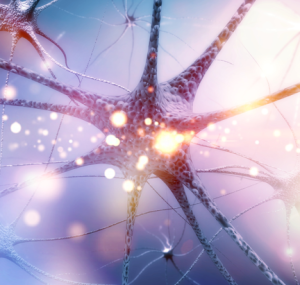
What routes of administration does Northern Bio specialize in for central nervous system (CNS) delivery?
Northern Bio specializes in the targeted delivery of therapeutics to the CNS. Our experts utilize the most advanced surgical techniques to deliver via intracerebroventricular (ICV), intraparenchymal, intracisternal (ICM), intrathecal lumbar, epidural, perineural, etc.
Ophthalmology FAQs
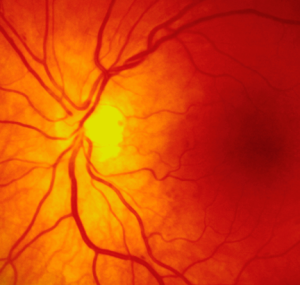
What routes of administration does Northern Bio specialize in for ophthalmic delivery?
Ocular routes of administration offer a unique challenge in ensuring that the therapeutic reaches the targeted regions of the eye. Northern Bio offers unique capabilities of dosing intracorneal, intravitreal, periocular, intracameral, suprachoroidal, subretinal, etc., to ensure that the therapies that we work with reach the intended targets to maximize efficacy assessment.
Cardiovascular FAQs
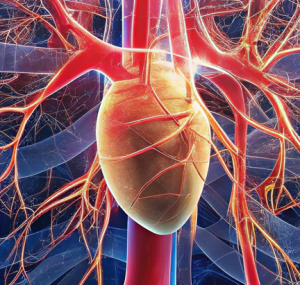
What species of animals are most commonly used to assess cardiovascular therapeutics?
Northern Bio supports all of the most common species of animals when assessing cardiovascular therapies. While not limited to, the most common species utilized for these studies are rodents, canines, swine, and nonhuman primates.
Rare Disease Research FAQs
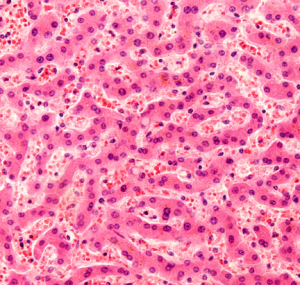
What classifies a disease as rare or orphan?
The World Health Organization defines a rare disease as one that strikes fewer than 65 per 100,000 people.
What types of therapeutics are being developed for rare diseases?
There is a wide range of therapeutics being developed for rare diseases. These include but are not limited to Antisense oligonucleotides (ASOs), Adeno-associated viral vectors (AAVs), enzyme replacement therapies, small molecules, Small interfering RNA (siRNA), and CRISPR Gene editing.
What types of animal studies are required for regulatory approval?
The types of animal studies required are based upon the type of therapeutic being developed. For most therapeutics, regulatory agencies require studies to be conducted in two species that include a rodent and non-rodent species.
Bioanalytical Services FAQs
What sort of assays does Northern Bio support?
Northern Bio routinely develops customized assays for molecular biology (qPCR, RT-PCR, dPCR, Stem-loop RT-qPCR) and immunogenicity (ADA, Nf-L, cytokine, complement, etc.).
What instrumentation does Northern Bio utilize to support assay development and analysis?
Northern Bio operates on the most advanced technologies for bioanalytical support. For our molecular biology assays, Northern Bio has been equipped with QuantStudio 7, QIAcuity, QIASymphony, and Nanodrop Spectrophotometer platforms. Immunoassay development and analysis, Northern Bio works on Meso Sector 600MM, Spectramax iD5, and Luminex systems.
Partner With Us
Let’s work together to develop
life-changing treatments.
Join us in the pursuit of better lives through scientific innovation. Explore how Northern Bio can help you achieve your research goals.