






Home » Resources » News & Insights » Posters » Route to a Safe Delivery Strategy of AAV-Based Gene Therapy to the Caudate and Putamen of Nonhuman Primates
SPK-10001, a gene therapy candidate for Huntington’s disease, works by silencing the huntingtin gene, but only if it reaches the right brain tissue. This poster walks through the delivery testing behind that candidate in non-human primates, comparing intravenous, CSF, and direct parenchymal routes.
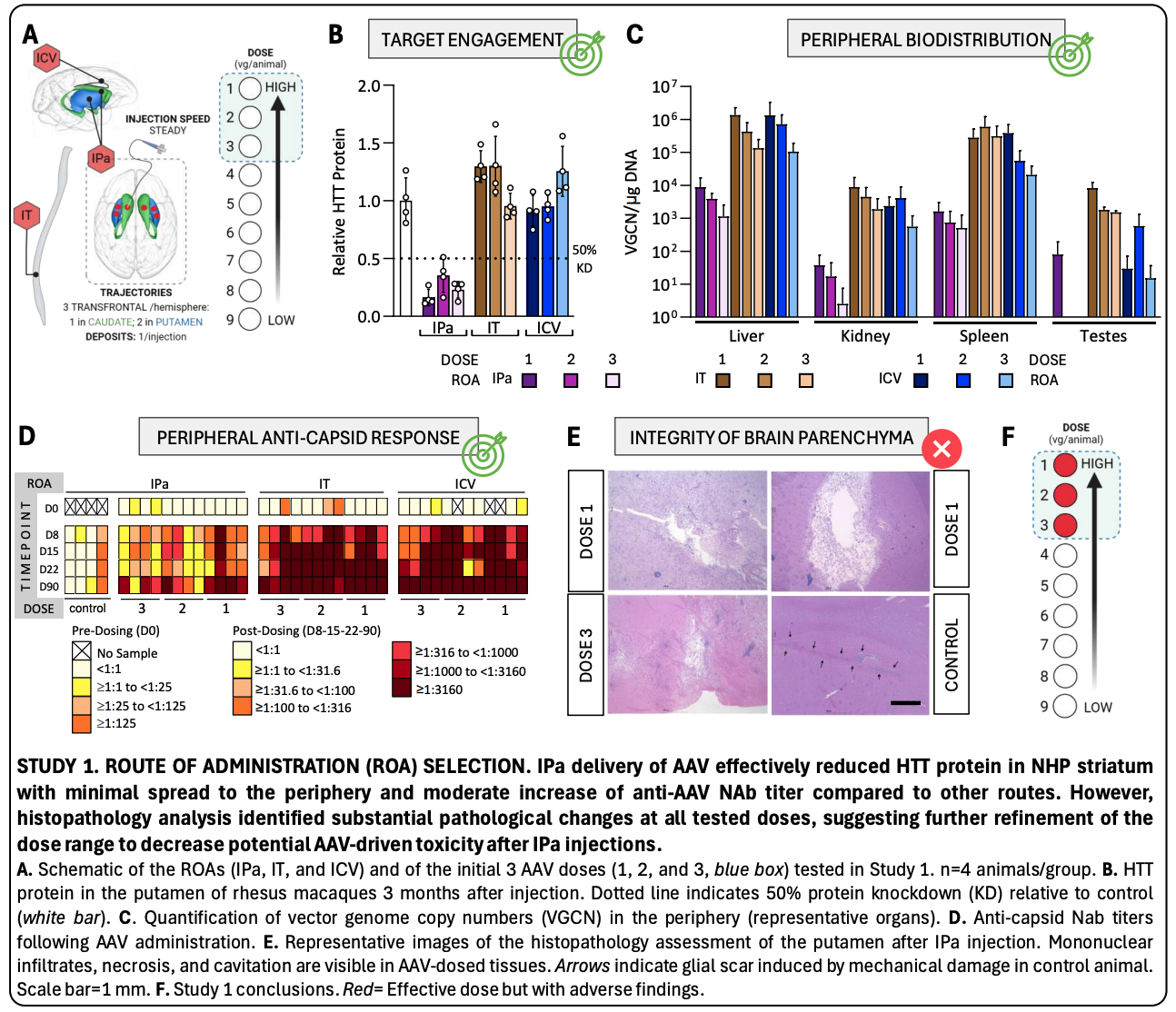
Direct injection into the caudate and putamen was the only route that meaningfully lowered HTT protein. CSF infusion did not extend coverage far enough to substitute for direct injection.
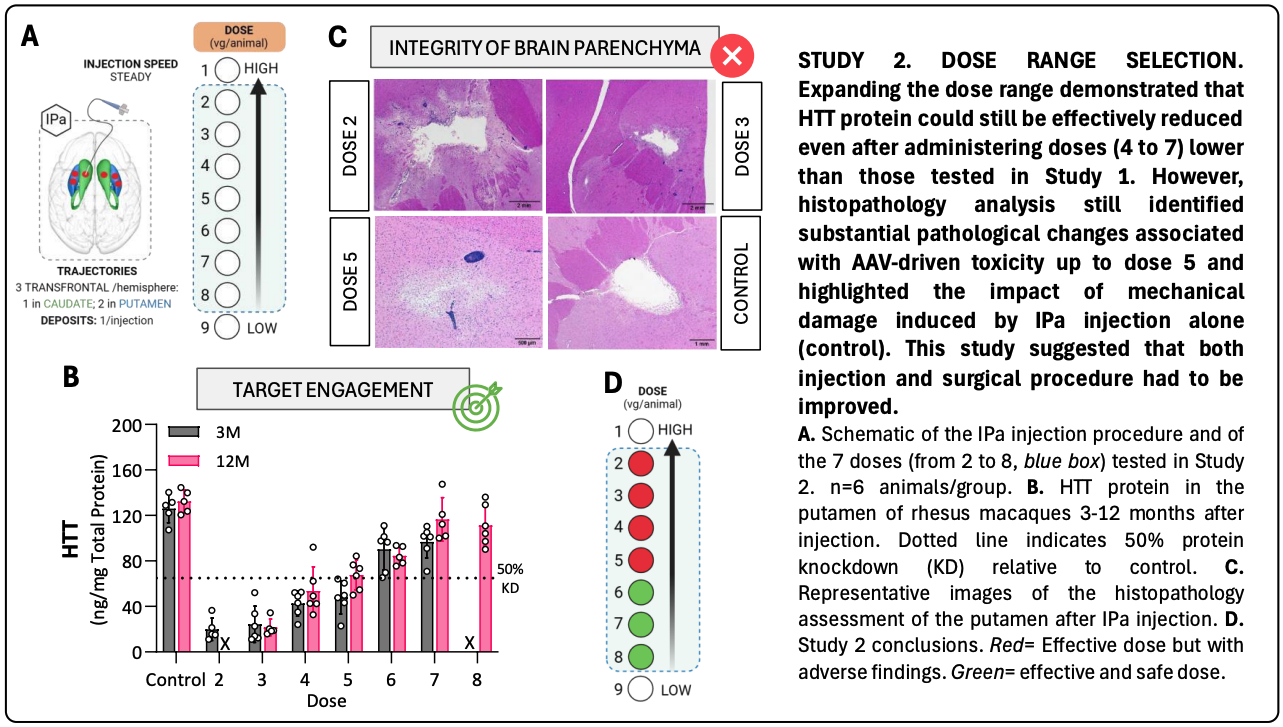
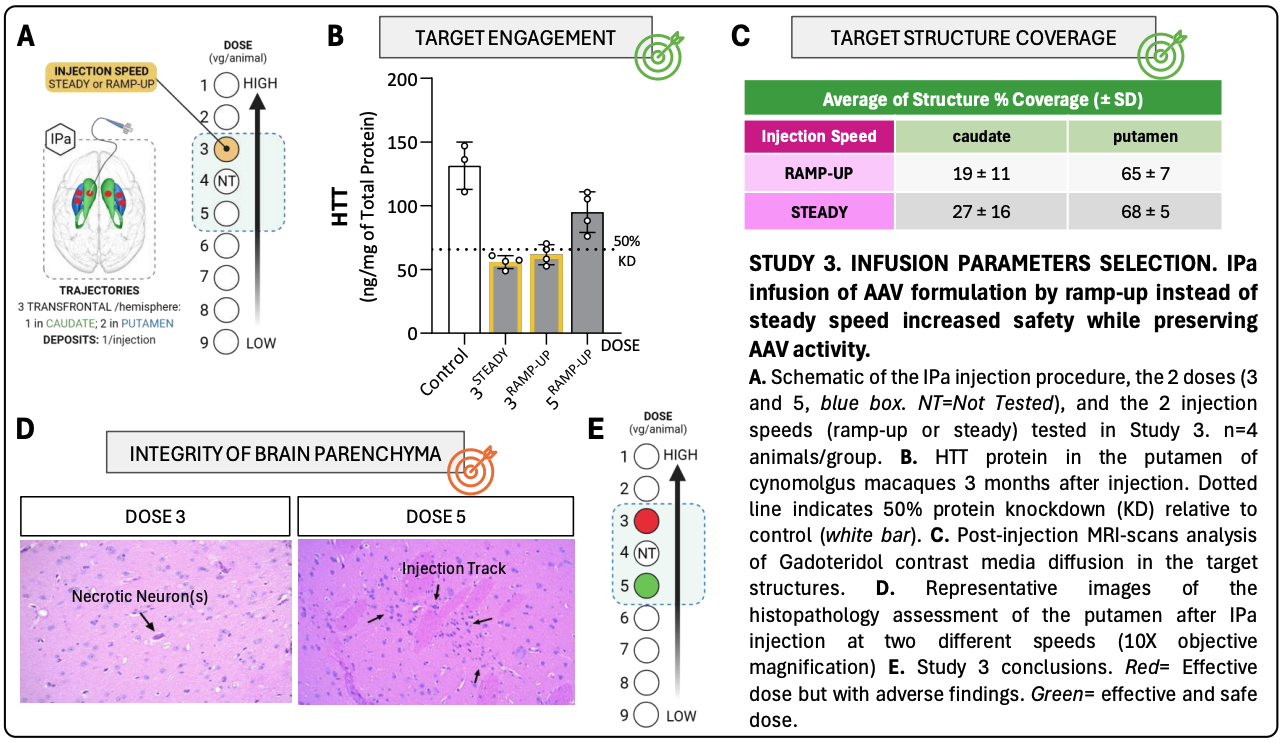
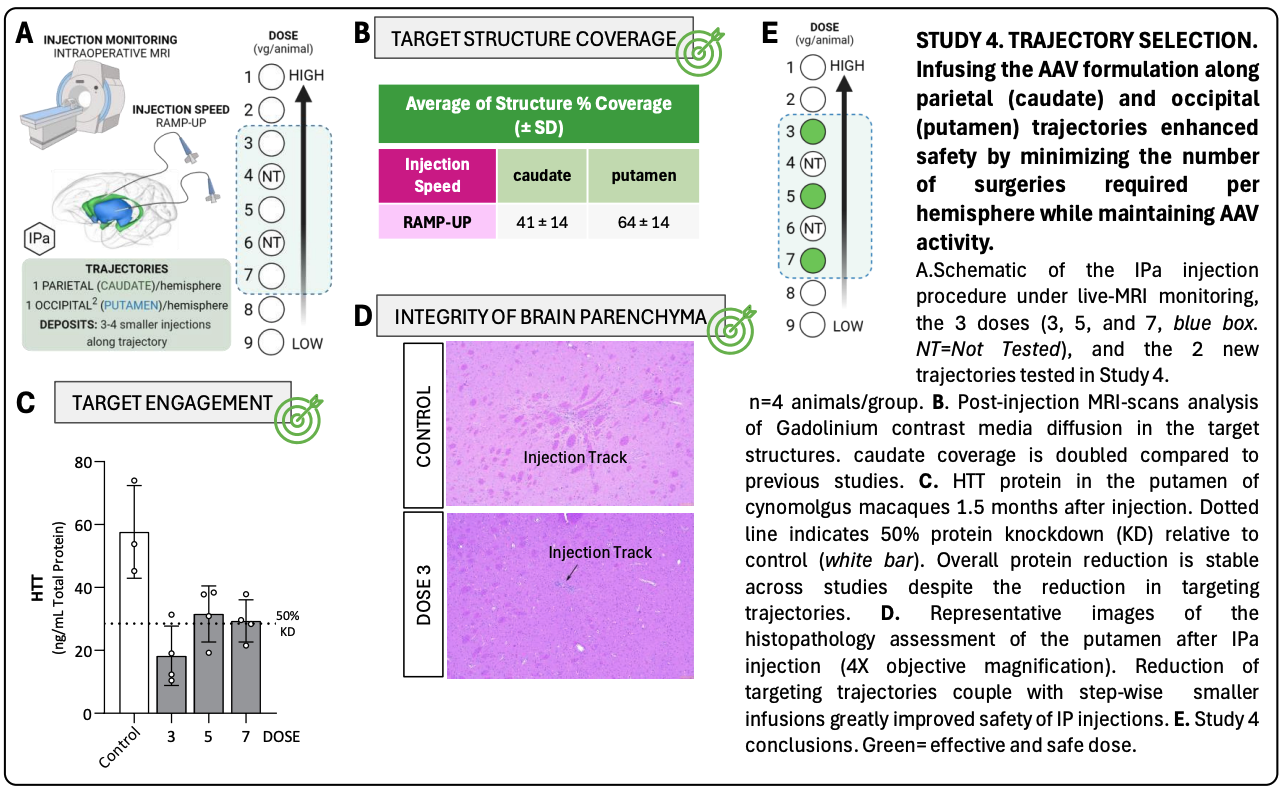
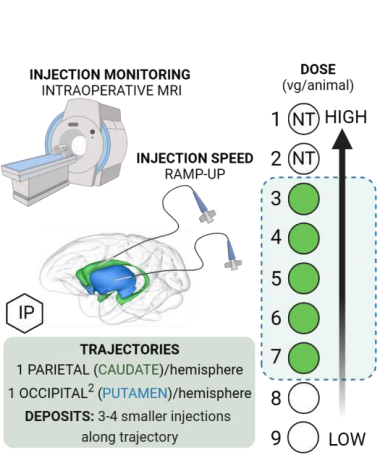
Early surgical attempts caused some mechanical and dose-related tissue damage. Refining the technique let the team raise doses while keeping inflammation low, a result that speaks directly to how the therapy might eventually be delivered in patients.
Adeno-associated virus (AAV) is an effective platform for delivering genetic medicines to the brain via multiple routes, including direct brain infusion, cerebrospinal fluid (CSF) compartment infusion, or intravenous infusion.
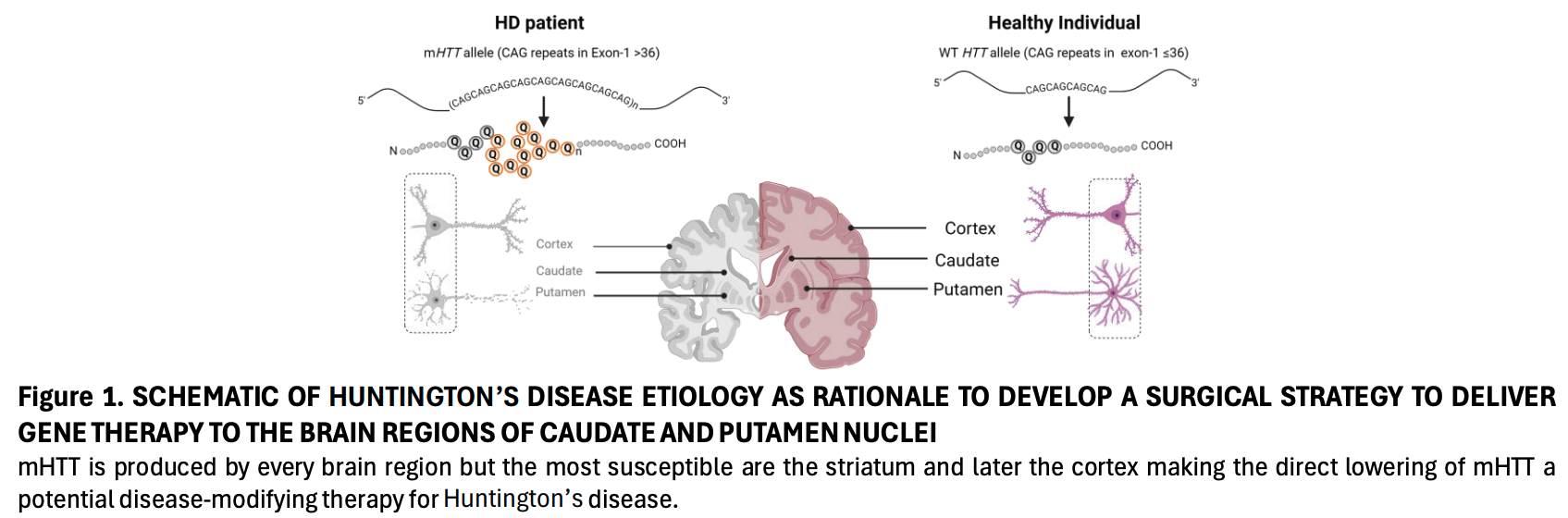
SPK-10001 is a vectorized artificial microRNA targeting Huntington’s disease that induces a dose-dependent reduction of both Huntingtin (HTT) mRNA and protein levels.
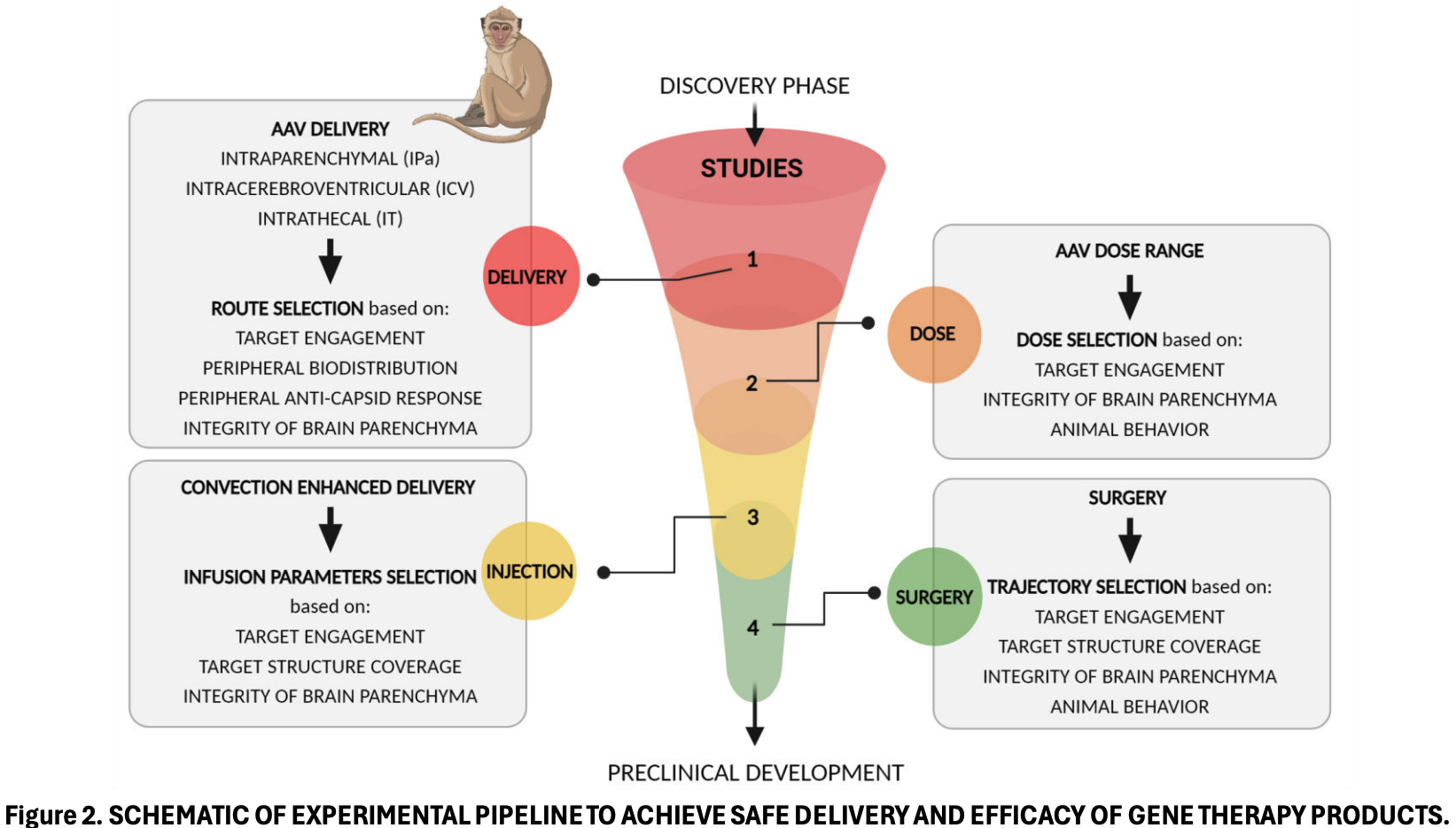
Because SPK-10001’s proprietary capsid does not cross the blood-brain barrier via intravenous delivery, studies were conducted to determine the safest and most effective administration route. Results showed that only direct injection into the brain parenchyma significantly reduced HTT protein in the caudate and putamen. Intra-CSF injection did not improve target coverage and could not replace intraparenchymal injection.
While initial injection methods caused mechanical and AAV-dose-directed damage, optimization of the surgical technique improved efficacy and safety, enabling administration of higher doses with minimal inflammatory response. These findings highlight the importance of surgical refinement in developing effective brain-directed gene therapies for human patients.